The Fog Came On So Gradually That I Almost Convinced Myself It Was Normal. Then Someone Said Something That Changed Everything.
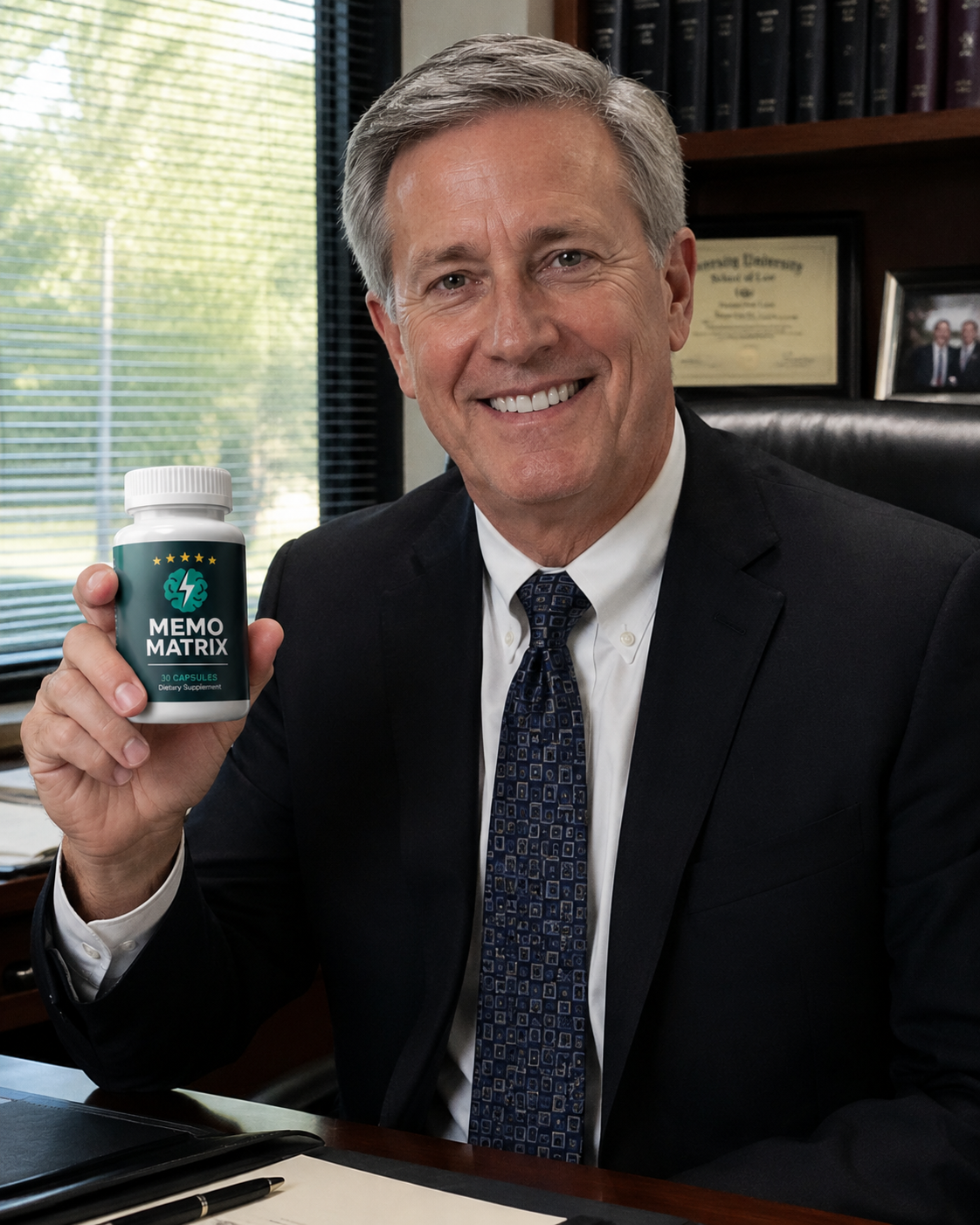
I'm 57 years old. I've spent the past 22 years as a corporate attorney — a profession where mental sharpness isn't a nice-to-have, it's the core of what you do. I was always the one who read a contract once and remembered the clause that mattered six months later. The one who could hold three complex arguments in working memory simultaneously during a deposition. The one colleagues called when they needed someone who could think fast and retain everything.
Somewhere around 54, the edges started blurring. Not dramatically — just enough that I noticed. Names that should have been instant took a half-second longer. Ideas I'd been building toward in a meeting would slip just before I reached the conclusion. I'd walk into a room knowing I'd had a reason for being there and find it gone. I rationalized each instance individually: tired from the travel, too much going on, didn't sleep well. But the accumulation was undeniable.
The moment that pushed me past rationalization was a deposition where a junior partner had to quietly remind me of a point I'd already established twenty minutes earlier — a point I had no memory of making. I drove home that evening and sat with it honestly for the first time. Something was changing in my cognition, and pretending otherwise wasn't a strategy.
I started researching seriously. Not looking for reassurance — looking for mechanism. What actually drives the cognitive decline that begins in the mid-fifties? What is happening neurologically that makes recall and processing speed decrease even in the absence of diagnosed disease? And what, if anything, can actually address it at the root level?
What I found about neural inflammation surprised me with its specificity. The research on acetylcholine depletion and its relationship to memory formation and retrieval was more concrete than I'd expected. The published literature on Lion's Mane and nerve growth factor, on Bacopa's effects on memory consolidation, on Huperzine A's mechanism of protecting acetylcholine from enzymatic breakdown — these were documented, peer-reviewed findings in credible journals. Not marketing claims. Mechanisms.
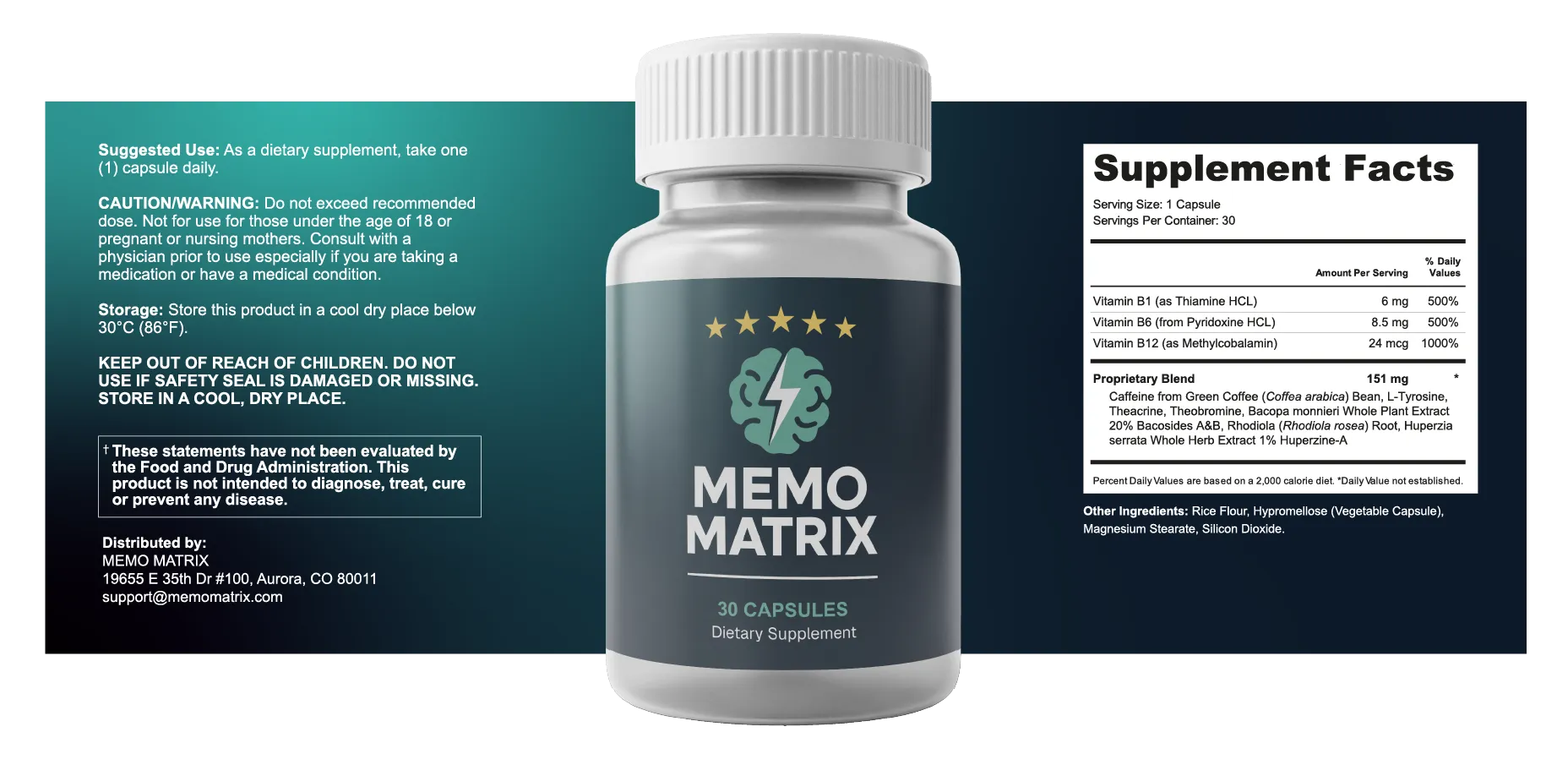
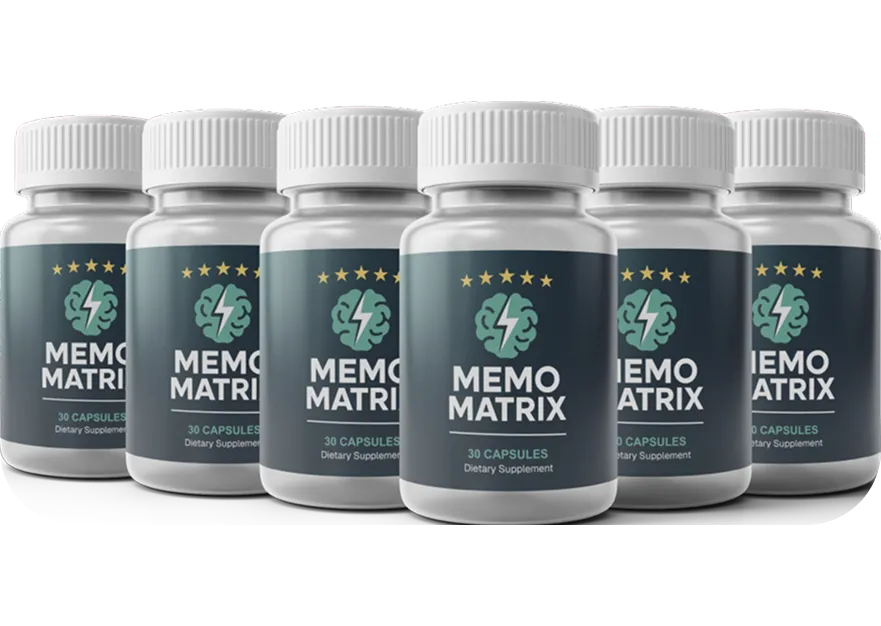
I found Memo Matrix as the formula that combined eight of these compounds in a single daily capsule — each with a specific documented role in the neural pathways that determine memory formation, retrieval, and cognitive processing speed. I bought the 6-bottle kit with the 60-day guarantee and committed to the protocol with the same rigor I'd apply to any important case.
What happened over the following months was the most significant cognitive improvement I'd experienced since my late forties — and the first time in three years that the decline I'd been quietly managing started reversing its direction.